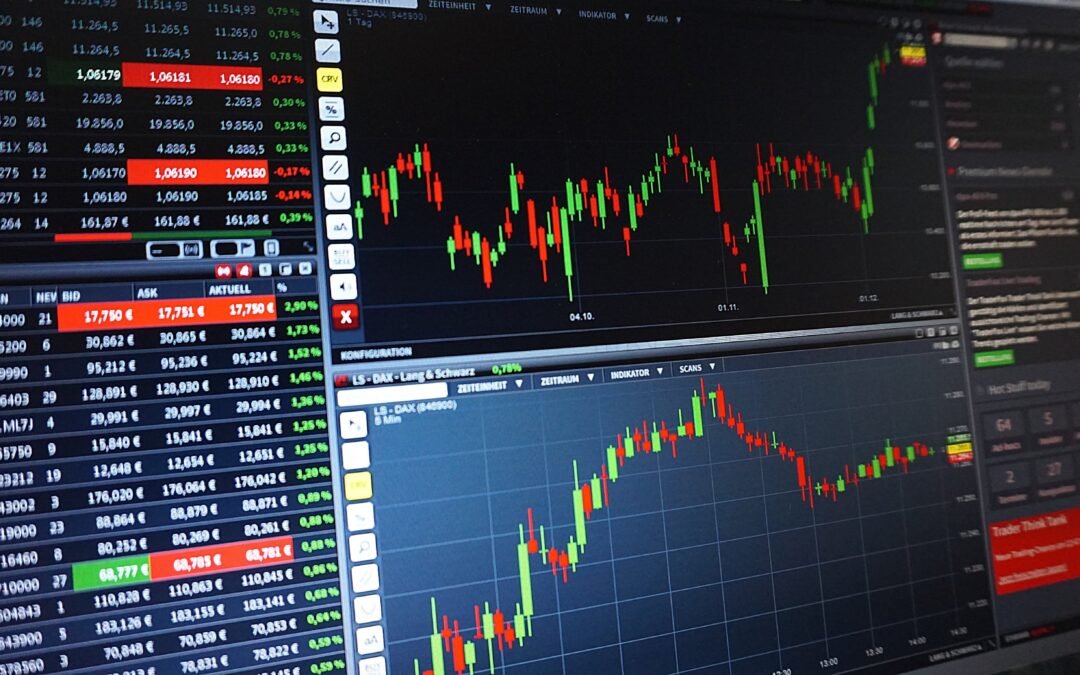
And finally, at the bottom of the food chain (but not in importance): retail traders. That's everyday people like you, sitting at home, trading currencies through an online broker. Technology has democratized access to forex in a way that would have been unthinkable 30 years ago.
Major Currency Pairs You Should Know
When you look at a currency exchange table, you'll see dozens of pairs. But most beginners focus on the major pairs — the most traded currencies in the world, all measured against the US dollar.
EUR/USD —Euro vs. US Dollar. This is the most traded pair globally. When people say "the cable" or "the major," they often mean this one.
GBP/USD —British Pound vs. US Dollar. The term "cable" in trading slang originates from the transatlantic telegraph cable that linked London and New York during the 1800s.
USD/JPY —US Dollar vs. Japanese Yen. A pair closely watched for risk sentiment. When global markets are nervous, the yen often strengthens.
USD/CNY—US Dollar vs. Chinese Yuan. With China being the world's second-largest economy, the yuan-to-dollar exchange rate is one of the most watched in the world. Searching for "currency exchange yuan to USD" is something traders and businesses do daily.
USD/CAD —US Dollar vs. Canadian Dollar. Often called the "loonie" (after the bird on the Canadian dollar coin), this pair is heavily influenced by oil prices since Canada is a major oil exporter.
What are the strategies for earning money in Forex?
Now for the part you've been waiting for.
The fundamental principle of making money in forex is to buy low and sell high, or to sell high and buy low.
If the EUR/USD exchange rate is at 1.08 today —meaning one euro buys $1.08 US —and you believe the euro is going to rise, you buy euros. If the rate rises to 1.12 by next week, you sell. The difference is your profit.
But here's where it gets intriguing: you can also profit when a currency falls. This is called going short —you sell a currency pair first, then buy it back later at a lower price. In traditional investing, you can only profit when prices rise. You can make money in both directions when trading forex. That's a significant advantage.
Leverage is another major tool. In forex, brokers often offer leverage ratios like 50:1 or even 100:1. This means if you deposit $1,000, you can control a position worth $50,000 or $100,000. Your profits —and losses —are calculated on the full position size, not just what you put in. Leverage is powerful, but it must be used carefully. It magnifies both gains and losses.
What Moves Currency Prices?
Prices don't move randomly. They respond to information. Understanding what drives exchange rates a big part is of becoming a successful trader.
Interest rates are the single biggest driver. When a country raises its interest rate, its currency tends to attract more foreign investment, which drives demand for that currency —and its price rises. When rates fall, the opposite often happens.
Economic data moves markets every day. Reports like unemployment numbers, GDP growth, inflation data (CPI), and retail sales figures all affect how traders feel about a currency. A stronger-than-expected US jobs report often sends the dollar higher.
Political events create uncertainty, and markets hate uncertainty. Elections, trade disputes, wars, and policy changes can send currencies swinging wildly. Think of what happened to the British pound when Brexit was announced.
Market sentiment is the collective mood of traders. Sometimes currencies move simply because the majority of traders believe they will — a self-fulfilling prophecy of sorts.
Trade flows also matter. Countries that export a lot (like Canada with oil and lumber) tend to have currencies that strengthen when their export prices rise.
The Tools Traders Use
Successful forex traders don't guess. They use tools and strategies to make informed decisions.
Technical analysis involves reading charts —looking at past price patterns to predict future movements. Traders use tools like moving averages, support and resistance levels, candlestick patterns, and indicators like RSI and MACD. The idea is that price patterns repeat themselves, and by spotting them, you can find high-probability trade setups.
Fundamental analysis is about understanding the economic forces behind a currency. A fundamentals trader might follow interest rate decisions, inflation reports, and GDP data to decide which currencies are likely to strengthen or weaken over the coming weeks or months.
Risk management is perhaps the most important skill of all. Professional traders never risk more than 1-2% of their account on a single trade. They use stop-loss orders —instructions to automatically exit a trade if it moves too far against them —to cap their losses. Preserving capital is everything in this game.
A Realistic Picture: What Beginners Need to Know
Let's be completely honest here, because a lot of online content about forex is not.
Forex trading is not a get-rich-quick scheme. The majority of retail traders lose money — not because the market is rigged, but because they trade emotionally, without a plan, without proper risk management, and without enough education.
The traders who succeed treat it like a business. They journal their trades. They test strategies on demo accounts before risking real money. They manage their risk obsessively. They stay patient and disciplined even when the market is doing something they don't expect.
The good news? All of this is teachable. Every professional trader started exactly where you are right now —looking up "forex exchange trading for beginners," trying to understand how it all works.
Getting Started: Your First Steps
Here's a simple roadmap for getting started without losing your shirt:
Step 1: Learn the basics. That's what you're doing right now. Keep going. Understand currency pairs, exchange rates, how prices move, and what drives them.
Step 2: Open a demo account. Almost every reputable broker offers a free practice account with virtual money. Use it. Trade without risk until you develop a consistent strategy.
Step 3: Learn one strategy well. Don't try to learn everything at once. Pick one approach — whether it's trend following, range trading, or news trading — and master it before moving on.
Step 4: Manage your risk first. Before you think about profits, think about how much you're willing to lose on any single trade. Make it small. Keep it consistent.
Step 5: Keep a trading journal. Write down every trade: why you entered, what happened, what you learned. This habit alone separates improving traders from ones who stay stuck.
Conclusion: The Market Is Waiting
The foreign exchange market has been running for decades, quietly humming along 24 hours a day while most people go about their lives not knowing it exists. It's where governments protect their economies, where businesses hedge against risk, and where traders — from institutional giants to regular people at home — look for opportunity.
The numbers are staggering. The access is now universal. And the education — like what you're reading right now — is available to anyone who chooses to pursue it.
You started this journey by searching for "forex exchange trading for beginners." That curiosity is everything. The traders who succeed are the ones who stay curious, stay disciplined, and never stop learning.
The market has been moving while you read this. It'll keep moving long after you finish. The only question is whether you'll be watching it — and one day, trading it — with confidence.
Your education starts here. Let's keep going.
Disclaimer: Forex trading involves significant risk of loss and is not suitable for all investors. This article is for educational purposes only and does not constitute financial advice.